 Mule Dumpster Rental
Hazardous Waste Disposal Milwaukee
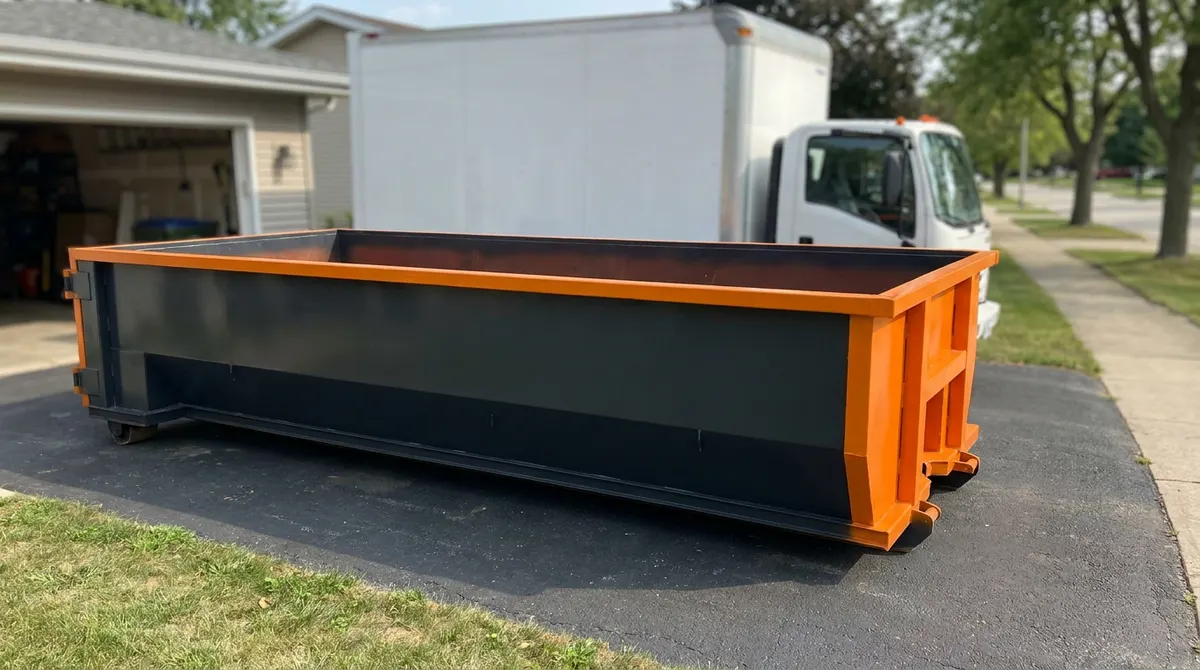
Hazardous waste disposal in Milwaukee involves specific regulations and procedures, particularly regarding what materials can and cannot be placed in a standard dumpster rental. Residents undertaking projects in areas like Bay View, Riverwest, or Sherman Park, especially in older homes, frequently encounter materials such as lead paint, solvents, or old batteries that require specialized handling beyond typical waste collection. The City of Milwaukee and Milwaukee County maintain strict guidelines to protect public health and the environment, emphasizing the use of designated household hazardous waste drop-off facilities for many common household chemicals and electronics.
Prohibited Hazardous Materials in Dumpster Rentals
<p>Hazardous materials are strictly prohibited from standard dumpster rentals in Milwaukee due to environmental regulations and safety concerns. These items can pose risks during transport, at landfills, and to disposal workers. For homeowners and contractors working on properties across Milwaukee, from the Historic Third Ward to Enderis Park, identifying these materials is a critical first step in any cleanup or renovation project.</p><p>Here is a checklist of common hazardous materials that cannot be placed in a dumpster rental:</p><ul><li><strong>Asbestos:</strong> Often found in older building materials, especially in pre-1978 homes throughout Milwaukee, asbestos requires specialized abatement and disposal by licensed professionals.</li><li><strong>Chemicals:</strong> This category includes harsh cleaning chemicals, pool chemicals, laboratory chemicals, and industrial solvents.</li><li><strong>Flammable Liquids:</strong> Gasoline, kerosene, propane tanks, paint thinners, and other highly combustible materials are not permitted.</li><li><strong>Pesticides & Herbicides:</strong> Agricultural or garden chemicals designed to kill pests are hazardous and require separate disposal.</li><li><strong>Motor Oil & Automotive Fluids:</strong> Used motor oil, antifreeze, brake fluid, and transmission fluid are environmental contaminants.</li><li><strong>Medical Waste:</strong> Syringes, needles, pharmaceuticals, and biohazardous materials must be handled as medical waste.</li><li><strong>Batteries:</strong> Especially lithium-ion batteries and lead-acid car batteries, which can be corrosive or pose fire risks, are prohibited.</li><li><strong>Fluorescent Light Bulbs:</strong> These bulbs contain small amounts of mercury and require special recycling.</li><li><strong>Tires:</strong> Whole tires are generally not accepted in dumpsters due to their bulk and specific recycling requirements.</li><li><strong>Refrigerants:</strong> Appliances containing refrigerants (e.g., refrigerators, freezers, air conditioners) must have the refrigerant professionally removed before disposal.</li><li><strong>Wet Paint:</strong> Liquid paint, particularly oil-based, is prohibited. Dried latex paint may sometimes be accepted, but it is best to confirm first.</li><li><strong>Explosives:</strong> Ammunition, fireworks, or any explosive materials are extremely dangerous and forbidden.</li></ul>
Paint, Chemicals, and Flammables: Proper Handling
<p>Proper handling of paint, various chemicals, and flammable liquids is essential for safety and compliance in Milwaukee. Many homes in neighborhoods like Brewers Hill and Story Hill, reflecting the city's older housing stock, may contain decades-old paints and household chemicals. Liquid paint, especially oil-based varieties, is considered a hazardous material and cannot be placed in a standard roll-off dumpster. Even latex paint, while less hazardous, should be dried out completely before disposal, often by mixing with kitty litter or sand, or taken to a designated facility. Solvents, such as paint thinners, turpentine, or mineral spirits, are highly flammable and corrosive; they require careful transport to a household hazardous waste collection site. Pesticides and herbicides, often found in garages or sheds, are toxic and must not be mixed with regular trash or poured down drains. Similarly, flammable liquids like gasoline, kerosene, or propane cylinders pose significant fire and explosion risks; these items should never be discarded in a dumpster. Our team offers specific collection points for these types of materials, ensuring they are processed safely and in accordance with environmental regulations, as detailed by the <a href="https://dnr.wisconsin.gov/topic/Waste/HHW.html">Wisconsin Department of Natural Resources</a>.</p>
Batteries and Fluorescent Bulbs: Recycling Requirements
<p>Batteries and fluorescent bulbs require specific recycling methods due to their chemical composition. Lithium batteries, commonly found in many modern electronics and power tools, pose a fire risk if damaged or improperly disposed of. Lead-acid car batteries, frequently replaced by residents near busy corridors like Interstate 94, contain corrosive acid and heavy metals. Both types of batteries must be recycled at specialized facilities or designated collection points, not thrown into a dumpster. Fluorescent light bulbs, including compact fluorescent lamps (CFLs) and older tube lights, contain small amounts of mercury. Mercury is a neurotoxin, and these bulbs must be handled with care to prevent breakage and mercury release. Many hardware stores and Milwaukee County's household hazardous waste program offer free recycling for these items. Proper recycling ensures that hazardous components are recovered and safely managed, preventing environmental contamination and protecting public health, aligning with <a href="https://www.epa.gov/hw/learn-about-universal-waste">EPA guidelines for universal waste</a>.</p>
Milwaukee County Household Hazardous Waste Drop-Off
<p>Milwaukee County operates dedicated facilities for household hazardous waste (HHW) collection, providing a safe and legal disposal option for many items prohibited from regular dumpsters. These sites are crucial for residents across the county, including those in dense urban areas like Walker's Point and Lincoln Village, where proper waste separation is vital. Utilizing these facilities helps protect the environment and supports community safety. For items that do not fit standard waste disposal, like those from a basement cleanout due to spring thaw or a remodeling project in an older home, these drop-off sites are the recommended solution. For general debris and non-hazardous waste, explore <a href="https://www.milwaukee-dumpster-rental.com">Milwaukee dumpster rental services</a> for efficient removal.</p><table><thead><tr><th>Facility Name</th><th>Location</th><th>Accepted Materials</th><th>Hours/Notes</th></tr></thead><tbody><tr><td>Milwaukee Household Hazardous Waste Facility</td><td>3879 W. Lincoln Ave, Milwaukee, WI 53215</td><td>Paints, solvents, pesticides, cleaners, automotive fluids, mercury-containing items, batteries, fluorescent bulbs, sharps (in approved containers)</td><td>Year-round, specific days/hours. Check Milwaukee County Department of Public Works website for current schedule.</td></tr><tr><td>Menomonee Valley Household Hazardous Waste Facility</td><td>1111 W. Mt. Vernon Ave, Milwaukee, WI 53233</td><td>Same as Lincoln Ave facility</td><td>Seasonal operation, specific days/hours. Check Milwaukee County Department of Public Works website for current schedule.</td></tr><tr><td>Franklin Household Hazardous Waste Facility</td><td>8601 W. Ryan Rd, Franklin, WI 53132</td><td>Same as Lincoln Ave facility</td><td>Seasonal operation, specific days/hours. Check Milwaukee County Department of Public Works website for current schedule.</td></tr><tr><td>Glendale Household Hazardous Waste Facility</td><td>600 W. Donges Bay Rd, Mequon, WI 53097</td><td>Same as Lincoln Ave facility</td><td>Seasonal operation, specific days/hours. Check Milwaukee County Department of Public Works website for current schedule.</td></tr></tbody></table>
Need it handled now? See Dumpster Rental in Milwaukee.