 Mule Dumpster Rental
Dumpster Vs Storage Unit Milwaukee
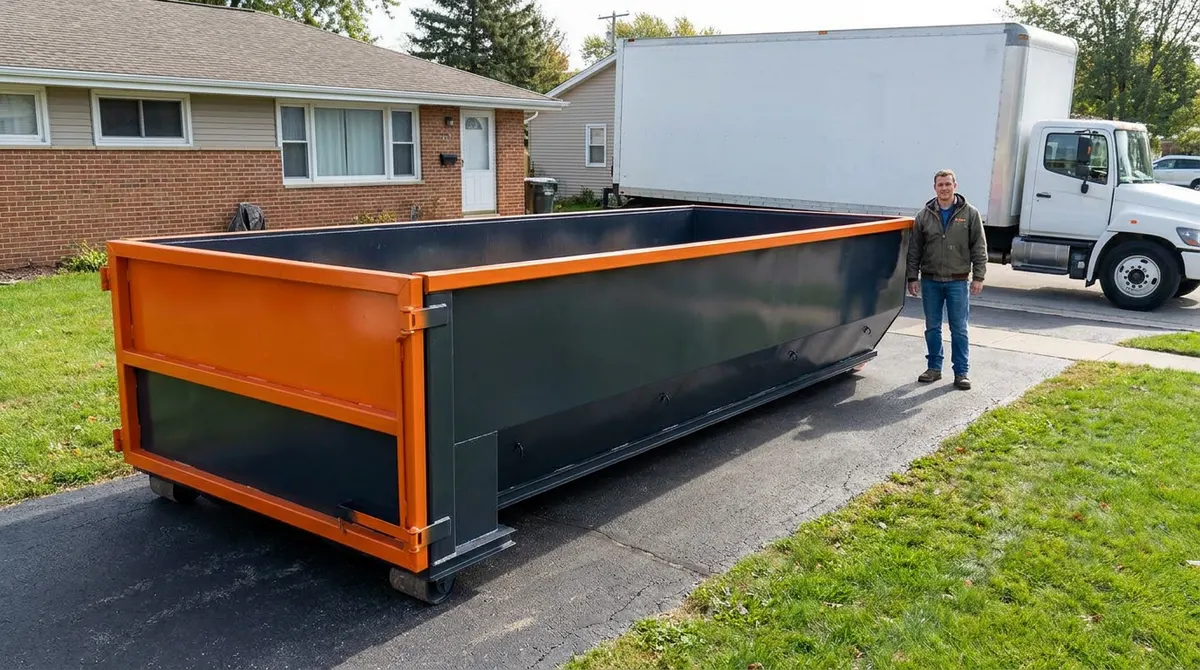
Deciding between a dumpster and a storage unit in Milwaukee? Learn the core differences, costs, and best uses for each in your renovation or cleanout proje
- A **dumpster** is for waste disposal; a **storage unit** is for temporary item retention.
- **Dumpsters** handle construction debris, old furniture, and household junk for permanent removal.
- **Storage units** secure items like furniture, boxes, and seasonal goods for later retrieval.
- **Dumpster rental costs** are typically a one-time fee, starting around $595 in Milwaukee.
- **Storage units** involve ongoing monthly rental fees, varying by size and location.
Mule Dumpster Rental provides Dumpster Vs Storage Unit in Milwaukee, WI.
When planning a home project in Milwaukee, whether it's a basement cleanout in Bay View or a kitchen remodel in Story Hill, a key decision involves managing materials. The choice between a roll-off dumpster and a portable storage unit like those offered by PODS depends entirely on whether items are being permanently discarded or temporarily kept. For example, clearing out a historic home near Marquette University often means dealing with heavy lath-and-plaster debris or old fixtures. These materials are destined for disposal, making a dumpster the appropriate choice for efficient removal. Conversely, if you're staging a home for sale in Brewers Hill and need to temporarily store furniture, a storage unit provides a secure, short-term solution.
Keeping vs Tossing: The Core Difference
The fundamental difference between a dumpster and a storage unit lies in their purpose. A dumpster is a large, open-top container designed for the collection and haul-away of waste, debris, and unwanted items. Once materials are loaded into a dumpster, they are typically transported to a landfill or recycling facility for permanent disposal. This makes them ideal for projects like roof tear-offs, basement cleanouts after spring thaws near Lake Park, or extensive landscaping work. In contrast, a portable storage unit is a secure, enclosed container intended for temporarily holding personal belongings, furniture, or construction materials that are meant to be reused or moved to a new location. These units are often rented for a monthly rental period and can be delivered to a site, stored at a facility, or moved to a new address. For residents along North Avenue undertaking a renovation, a dumpster handles the old materials, while a storage unit protects items during the construction phase.
Milwaukee's older housing stock, particularly in neighborhoods like Riverwest and the Historic Third Ward, frequently involves renovation debris containing lead paint or heavy masonry from cracked foundations due to freeze-thaw cycles. These materials add significant weight and require proper disposal, making a heavy-duty dumpster essential for compliance and efficiency. For projects on dense city lots with narrow alleys, common in Walker's Point, smaller 10-15 yard dumpsters are often the most practical fit, balancing capacity with available placement space. For items you plan to keep but need out of the way, such as during a move to a new home near Bradford Beach, a storage unit keeps them secure and accessible.
Best Use for Each During a Move or Reno
During a move, a roll-off dumpster is ideal for decluttering before packing, allowing for the disposal of old appliances, broken furniture, and general household junk that won't make the trip. This streamlines the packing process and reduces the volume of items to move. A portable storage unit shines during the packing and moving phases, offering a convenient place to store packed boxes, furniture, and seasonal items temporarily. It can be particularly useful for those moving from a smaller apartment in Lincoln Village to a larger home, providing flexible storage as you transition.
For renovations, the roles are distinct. A dumpster is indispensable for managing construction and demolition debris. This includes everything from old drywall and flooring to concrete from a driveway repair. In Milwaukee, especially near Interstate 43 construction zones, proper debris management is key to maintaining a tidy and safe worksite. For projects requiring a street placement, such as near the Milwaukee Art Museum, securing a City of Milwaukee permit is necessary, which our service can assist with. A storage unit protects valuable items from dust, paint, and potential damage during the renovation process. It provides a secure, on-site location for tools, new fixtures, or personal belongings that need to be moved out of the work area, ensuring they are safe until the project is complete. This is particularly useful for homeowners in Sherman Park who are living in their home during a major remodel.
How much does Dumpster Vs Storage Unit Milwaukee cost in Milwaukee?
Every job gets a firm, written price after an on-site visit.
Common questions
Do I need a permit for a dumpster or a storage unit in Milwaukee?
What size dumpster is best for a cleanout project in Milwaukee?
Can I put anything in a dumpster rental in Milwaukee?
How long can I keep a dumpster or storage unit in Milwaukee?
What are the cost differences between a dumpster and storage unit in Milwaukee?
Get started today
Tell us about your dumpster vs storage unit milwaukee job in Milwaukee and we'll send a clear, written quote, usually the same day.